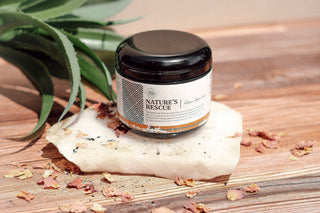


Salon-soft ends without the salon price: a solid conditioner bar in coconut and vanilla that detangles, softens, and skips the bottle.
Handmade in Corvallis, Montana · Sulfate- and paraben-free · Free shipping over $35
A conditioner bar confuses people for exactly one minute, until they use it: warm it in wet hands or glide it directly over wet hair, focusing on the ends, and hair comes out feeling soft, detangled, and easier to comb: the salon-chair finish, at a bar price, because a concentrated bar charges you for conditioning instead of for water. Coconut Kiss is the tropical one, coconut and vanilla, and our copy names its working cast (mango butter, jojoba oil, and hydrolyzed rice protein) because those are the ingredients doing the conditioning.
Why You'll Love It
- Soft, detangled, easier-to-comb ends: the performance is the point
- Mango butter, jojoba oil, and rice protein named in our copy as the conditioning cast
- Coconut and vanilla scent, matching the shampoo bar
- Concentrated: a little goes a long way, so the bar earns its price
- Plastic-free, as a plain fact, no bottle involved
How to Use
After shampooing, glide the bar over wet hair, focusing on the ends. Massage gently, rinse thoroughly, and allow the bar to dry between uses.
Ingredients
Net Wt. 1.7 oz (48 g)
- Behentrimonium Methosulfate blend (Behentrimonium Methosulfate (and) Cetyl Alcohol (and) Butylene Glycol): despite the intimidating name, this is the gentle detangler. It is the ingredient that makes wet hair combable, smoothing the cuticle so the comb glides instead of arguing. (Yes, "methosulfate" sounds like a sulfate. It is not one. Different molecule, different job, much better manners.)
- Cetyl Alcohol (Cetyl Alcohol): a fatty alcohol, the friendly kind. It gives the bar its slip and helps hair feel soft and smooth. Not the drying alcohol from the drugstore shelf.
- Mango Butter (Mangifera Indica (Mango) Seed Butter): rich, creamy moisture for dry ends, without the heavy, greasy weigh-down. Your ends drink it, your roots stay bouncy.
- Jojoba Oil (Simmondsia Chinensis (Jojoba) Seed Oil): the oil closest in feel to your hair's own natural oils, so it softens and adds shine without building up like a snowdrift.
- Emulsifying Wax: the matchmaker that holds the butters and oils together in one solid bar, so every swipe delivers an even mix instead of a butter landslide.
- Panthenol (Panthenol): the moisture magnet. It leaves a light, flexible film on each strand, so hair feels softer, looks shinier, and tangles less between washes.
- Cyclomethicone (Cyclomethicone): the slip agent. It spreads everything evenly, smooths frizz down for the day, then evaporates and takes its job quietly with it. No buildup, no residue, no forwarding address.
- Hydrolyzed Rice Protein (Hydrolyzed Rice Protein): small protein pieces that patch onto the hair shaft, for hair that feels stronger and holds its shape instead of flopping by noon.
- Diheptyl Succinate and Capryloyl Glycerin/Sebacic Acid Copolymer (Diheptyl Succinate (and) Capryloyl Glycerin/Sebacic Acid Copolymer): a plant-based silicone alternative that gives you that smooth, silky glide and shine, so you get the salon finish without the salon ingredient list.
- Fragrance (Parfum): the scent, phthalate-free.
- Phenoxyethanol and Caprylyl Glycol (Phenoxyethanol (and) Caprylyl Glycol): the preservative pair. Their whole job is keeping the bar fresh and safe between showers, so the bar you pick up in month three is the bar you bought in month one.
- Mica (Mica): the color. Decoration only, and proud of it.
FAQs
How is a conditioner bar different from the shampoo bar? No lather, different job: this one deposits conditioning ingredients on the hair, mostly the ends, instead of cleansing the scalp. Glide, massage, rinse.
Will it weigh my hair down? Focus it on the ends, not the roots, and start with less than you think. Conditioner bars are concentrated; enthusiasm is the usual overdose.
Your Skin Deserves The Best
"I haven't been able to find a skincare company that I really love until I met M&S Skincare!– @bodyposigirlgetsfit