
You keep hearing about shampoo bars. Your crunchy friend swears by them. That one influencer will not stop talking about them. And yet nobody has actually explained what the little hockey puck is, why it is supposedly better, or what you are meant to do with it in the shower besides stare at it while your hair drips.
So let us fix that. Here is the beginner-friendly, science-backed rundown on shampoo bars: what they are, what is actually in them, and how to use one without ending up with a weird waxy situation on your head.
So what even is a shampoo bar?
A shampoo bar is exactly what it sounds like: shampoo, minus the water and minus the plastic bottle, pressed into a solid bar. But here is the part most "just switch, it's great" posts skip. There are two very different kinds, and they do not behave the same way:
- Soap-based bars. These are basically bar soap made with lye, marketed for hair. They clean, but they run alkaline (high pH), which can rough up your hair's cuticle and leave a waxy film, especially if you have hard water. This is where those dreaded "transition period" horror stories usually come from.
- Syndet bars. "Syndet" is short for synthetic detergent, which sounds scarier than it is. These are built from gentle surfactants (the ingredients that actually do the cleansing) and formulated to a hair-friendly, slightly acidic pH. They rinse clean, lather like a normal shampoo, and skip most of the waxy drama.
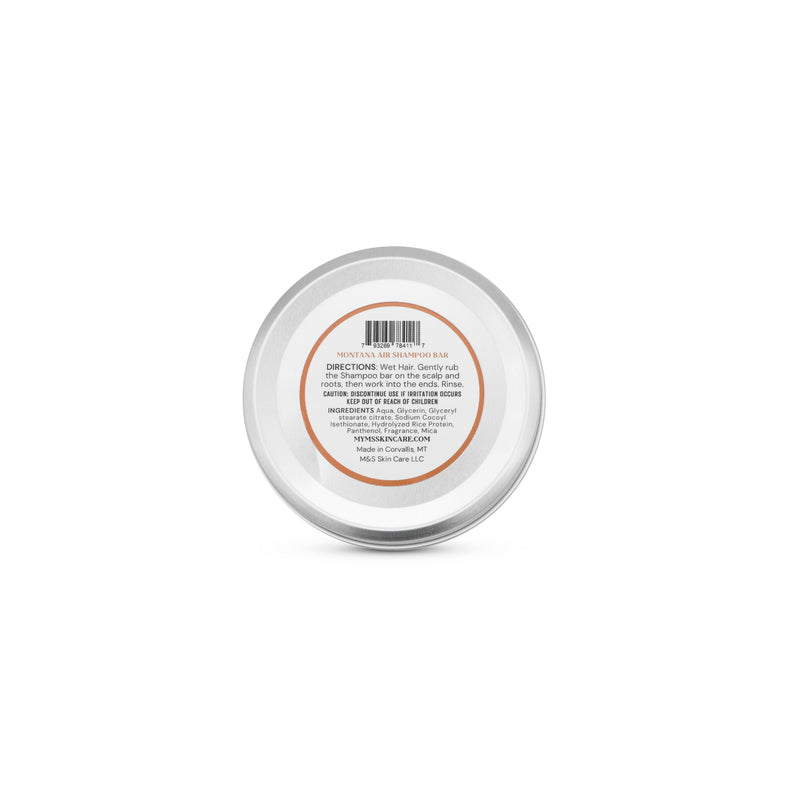
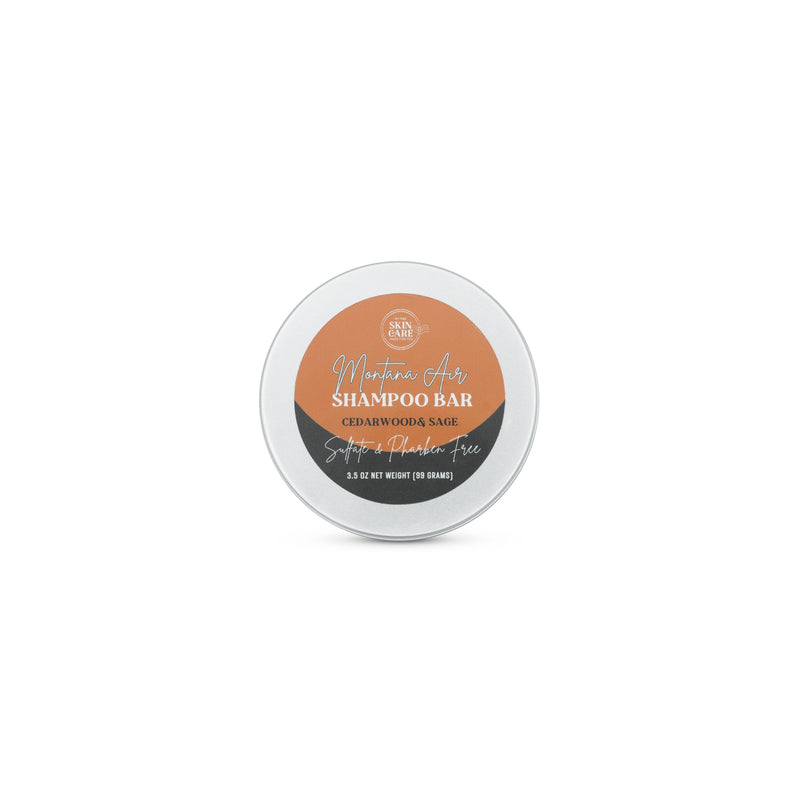
Our Montana Air Shampoo Bar is the second kind. Which brings us to the one ingredient worth knowing by name.
Meet SCI, the gentle workhorse
The star surfactant in a good syndet bar (ours included) is Sodium Cocoyl Isethionate, or SCI. Here is the plain-English version:
- Where it comes from. SCI is made from coconut oil fatty acids combined with isethionic acid. So it starts as coconut, not petroleum.
- Why it is gentle. It is a mild surfactant with famously low irritation potential, gentle enough that you will find it in baby washes and cleansers made for easily-annoyed, sensitive skin. It gives you that creamy, cushiony lather instead of the squeaky, stripped feeling.
- Why it does not wreck your hair. Unlike harsh sulfates (like SLS), SCI cleans without stripping away your hair and scalp's natural oils, which helps keep your moisture barrier intact. Less dryness, less tightness, less "why does my scalp feel like the Sahara."
That is exactly why we chose it: barrier protection and minimal irritation, in a bar that still actually lathers and cleans.
And because it is coconut-derived, it brings some real eco perks:
- Renewable source. It is built from coconut oil, a renewable crop, rather than fossil fuels.
- Biodegradable. In personal care use, SCI breaks down and dissolves safely in water, so it is not sticking around polluting waterways.
- Less waste to ship. A waterless bar means no plastic bottle and no hauling a bunch of water weight across the country (more on that below).
Okay, but is it actually "natural"?
Real talk, because we would rather be honest than sell you a fairy tale: SCI is naturally derived, not plucked-off-a-coconut-tree natural. It starts from coconut oil, but it goes through processing to become the gentle surfactant it is.
We think that distinction matters, and we would rather tell you than hide behind the word "natural." Naturally derived means the raw material comes from a natural source and is then refined into something that performs better and more reliably than the raw stuff ever could. In SCI's case, that processing is the whole reason it is so mild. So no, it is not a coconut you rubbed on your head. It is something better at the actual job, made from a plant you recognize.
And while we are here: "chemical" is not a dirty word. Water is a chemical. So is everything else in your shower. What actually matters is whether an ingredient is gentle, effective, and responsibly made. SCI checks those boxes.
Why switch to a shampoo bar at all?
Beyond the ingredient nerdery, here is what you actually get:
- Way less plastic. One bar replaces a bottle, or two, or three. If the pile of half-empty bottles in your shower is silently judging you, this helps.
- It lasts a surprisingly long time. With no water weight, a bar is concentrated, so one small bar can outlast a big bottle of liquid shampoo.
- Travel and gym friendly. No leaks, no TSA liquid limits, no exploded shampoo in your gym bag. Just toss the bar in a tin.
- Gentler on hair and scalp. A well-formulated, pH-balanced bar cleans without the strip-and-dry cycle that keeps you reaching for more product.
- A nice supporting cast. Our Montana Air bar also carries glycerin (a moisture magnet), hydrolyzed rice protein (helps smooth and strengthen the strand), and panthenol, aka pro-vitamin B5 (helps hair hold onto moisture and shine).
How to actually use one (so you do not hate it)
This is the part nobody explains, and it is genuinely the whole game. It takes about ten seconds to learn:
- Wet everything. Soak both your hair and the bar. Water is your friend here.
- Build the lather. Either swipe the bar directly along your scalp a few times, or rub it between your hands to work up a lather and apply that. Both work. Do whichever feels less awkward.
- Massage the scalp, not just the hair. Focus on your roots and scalp with your fingertips. The lather sliding down takes care of the lengths.
- Rinse like you mean it. Rinse thoroughly until your hair no longer feels slick. This one step prevents most of the "my hair feels weird" complaints.
- Follow with conditioner. A conditioner bar (or your usual conditioner) smooths the cuticle and seals in moisture. Highly recommended, especially the first few washes.
- Let the bar dry. Set it somewhere it can drain and air out between uses. A soggy bar dies young. A dry bar lasts for ages.
A couple of beginner notes. If you have hard water and your hair ever feels a little filmy, an occasional rinse with diluted apple cider vinegar resets things beautifully. And if you are coming off heavy silicone-based shampoos, give your hair a week or two to adjust. That adjustment is your hair recalibrating, not the bar failing.
Final thoughts
Shampoo bars are not a crunchy sacrifice or a science experiment on your head. A good one is just concentrated, thoughtfully-formulated shampoo that happens to skip the plastic bottle and treat your scalp a little more kindly. Once you know what SCI is, why the pH matters, and the ten-second lather routine, the mystery pretty much evaporates.
If you want to dip a toe in, our Montana Air Shampoo Bar is a friendly first bar: a cedarwood-and-sage scent, sulfate- and paraben-free, and built on that gentle coconut-derived SCI. Want options? Browse the whole shampoo bar lineup. Your shower shelf, and the planet, will feel a little lighter.